CONF-CDS 2025
The 7th International Conference on Computing and Data Science (CONF-CDS 2025) was a hybrid conference which included a symposium series (offline and online) around the world. Cooperating with prestigious universities, CONF-CDS 2025 organized several symposiums in Chicago, Portsmouth, Astana and Beijing. Dr. Elisavet Andrikopoulou chaired the symposium “Data Visualization Methods for Evaluation”, which was held at University of Portsmouth. Dr. Marwan Omar chaired the symposium “The Security of Neural Networks and Applications”, which was held at Illinois Institute of Technology. Dr. Mian Umer Shafiq chaired the symposium “Application of Machine Learning in Engineering”, which was held at Nazarbayev University. Prof. Wang Juan chaired the symposium “Blockchain and Fintech”, which was held at Beijing Computer Federation.
Symposium Series
School of Mining and Geosciences, Nazarbayev University
Symposium Chair: Dr. Mian Umer Shafiq, Assistant Professor in Nazarbayev University
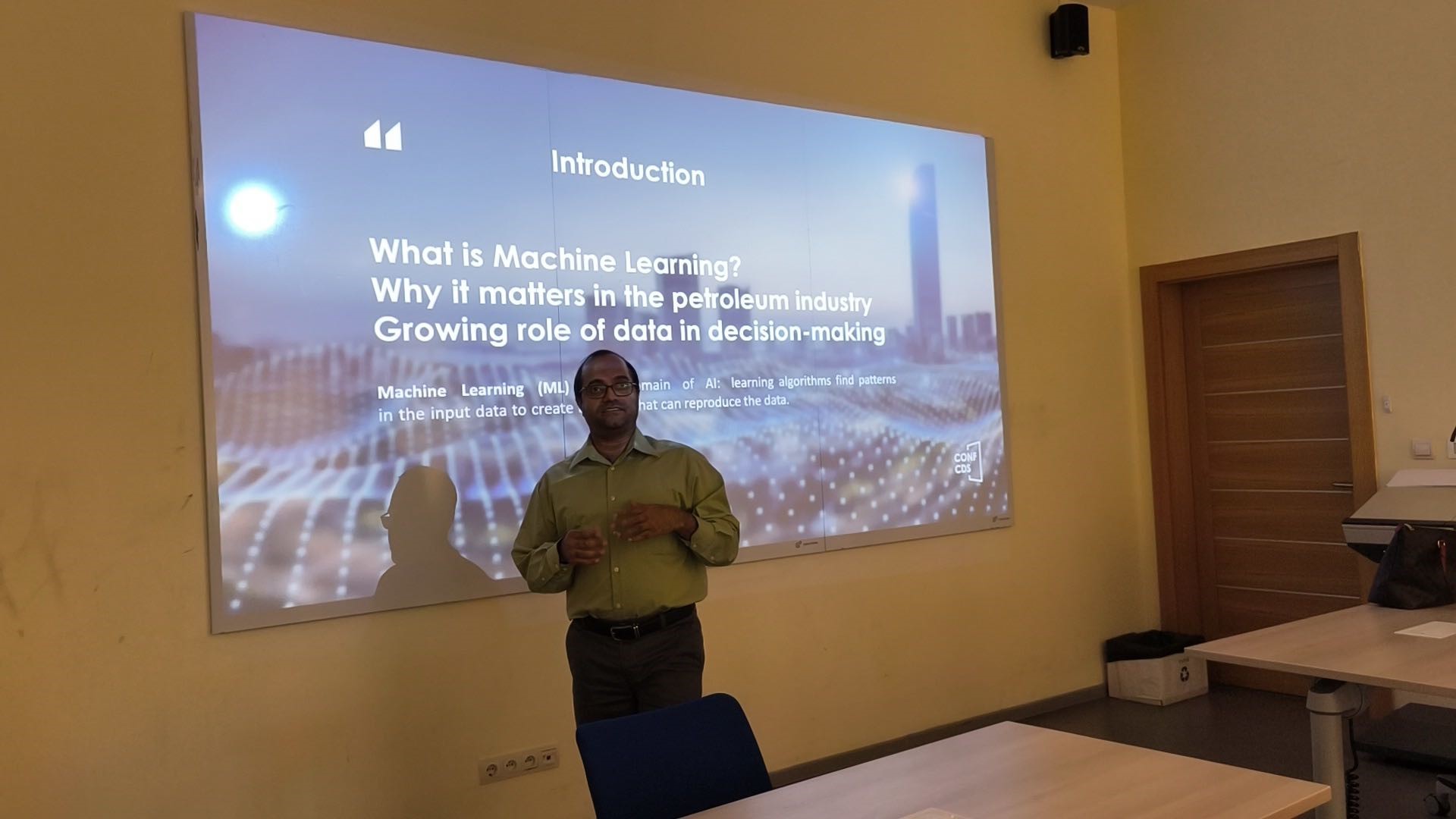
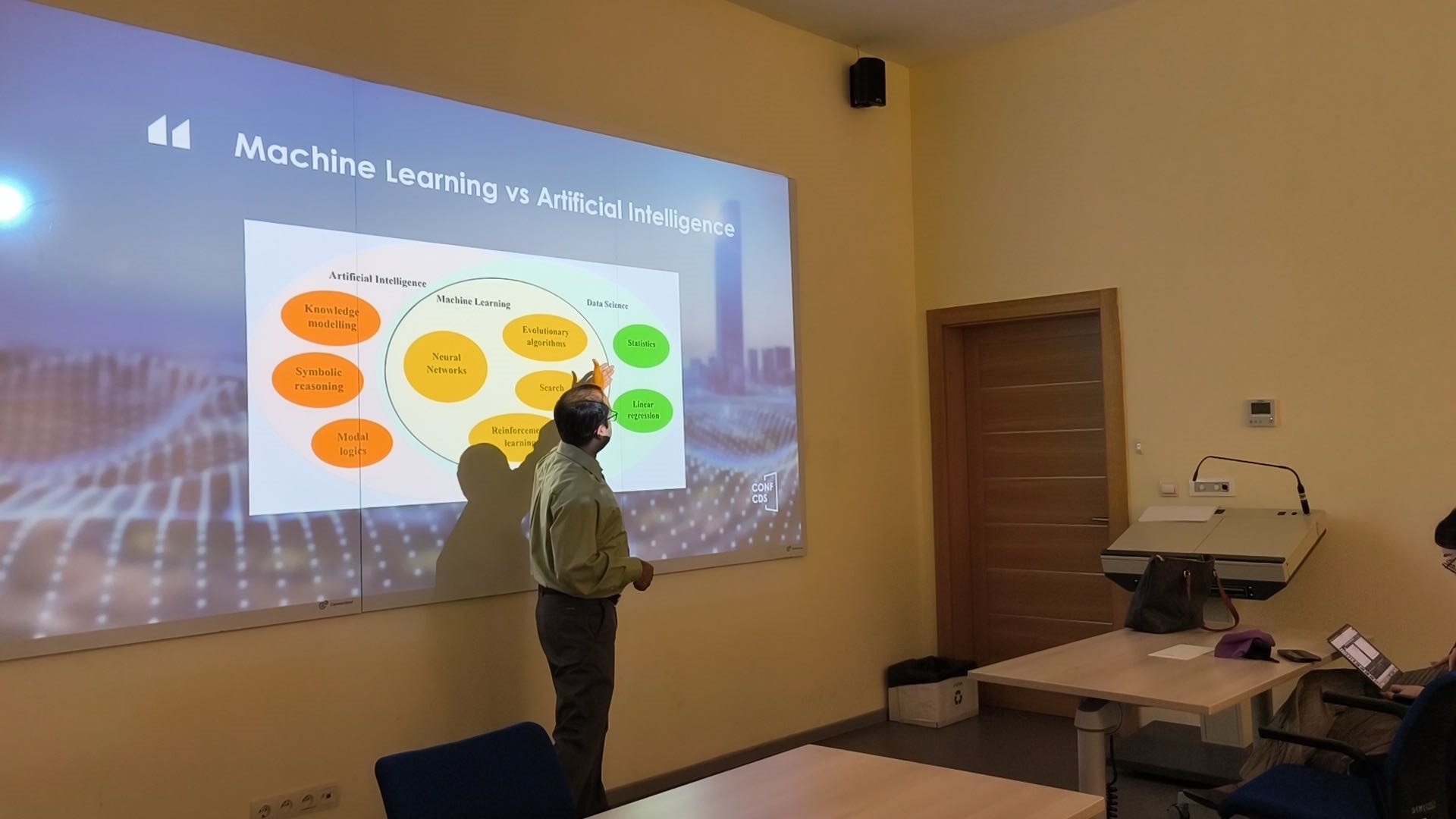
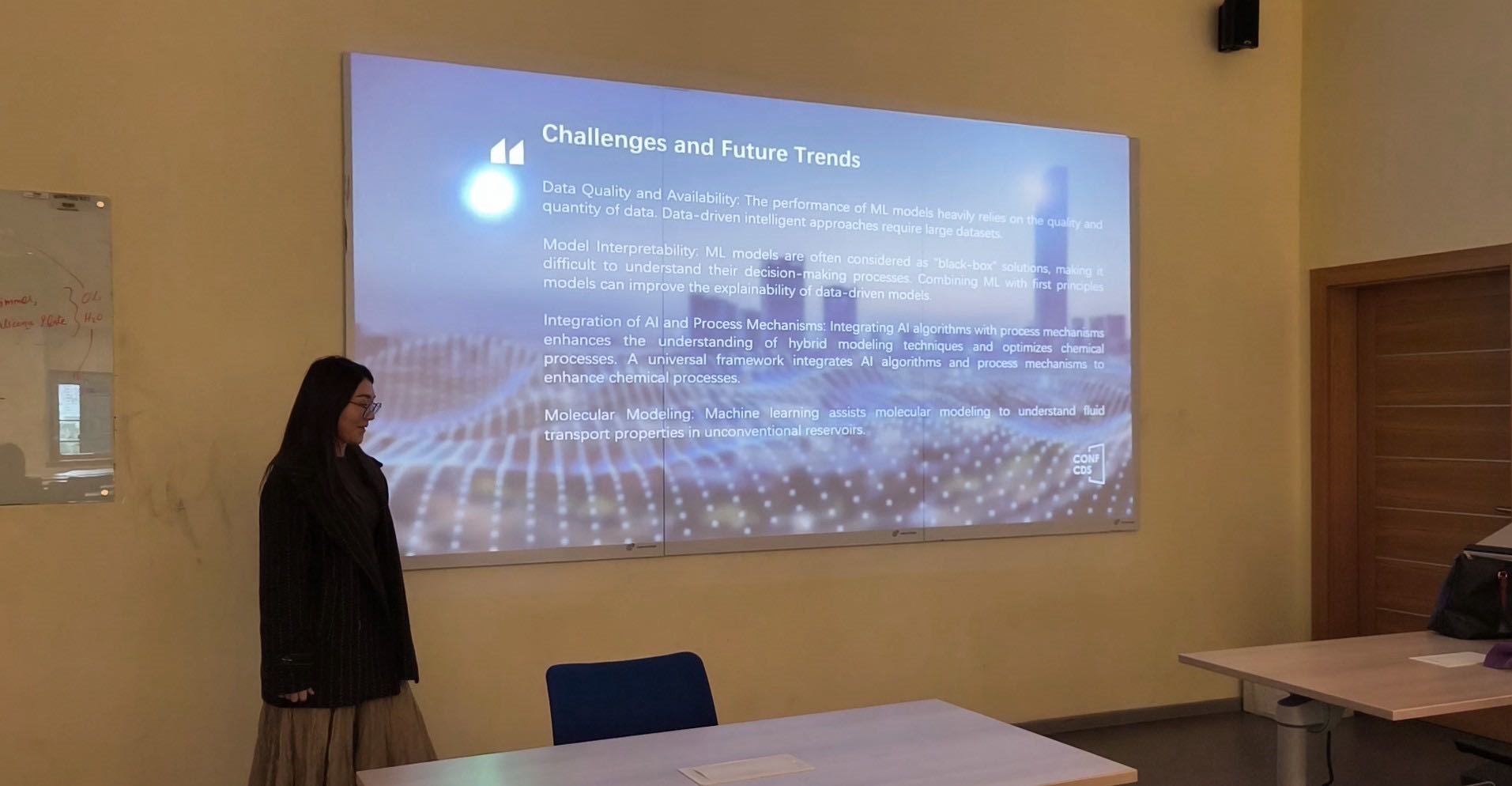
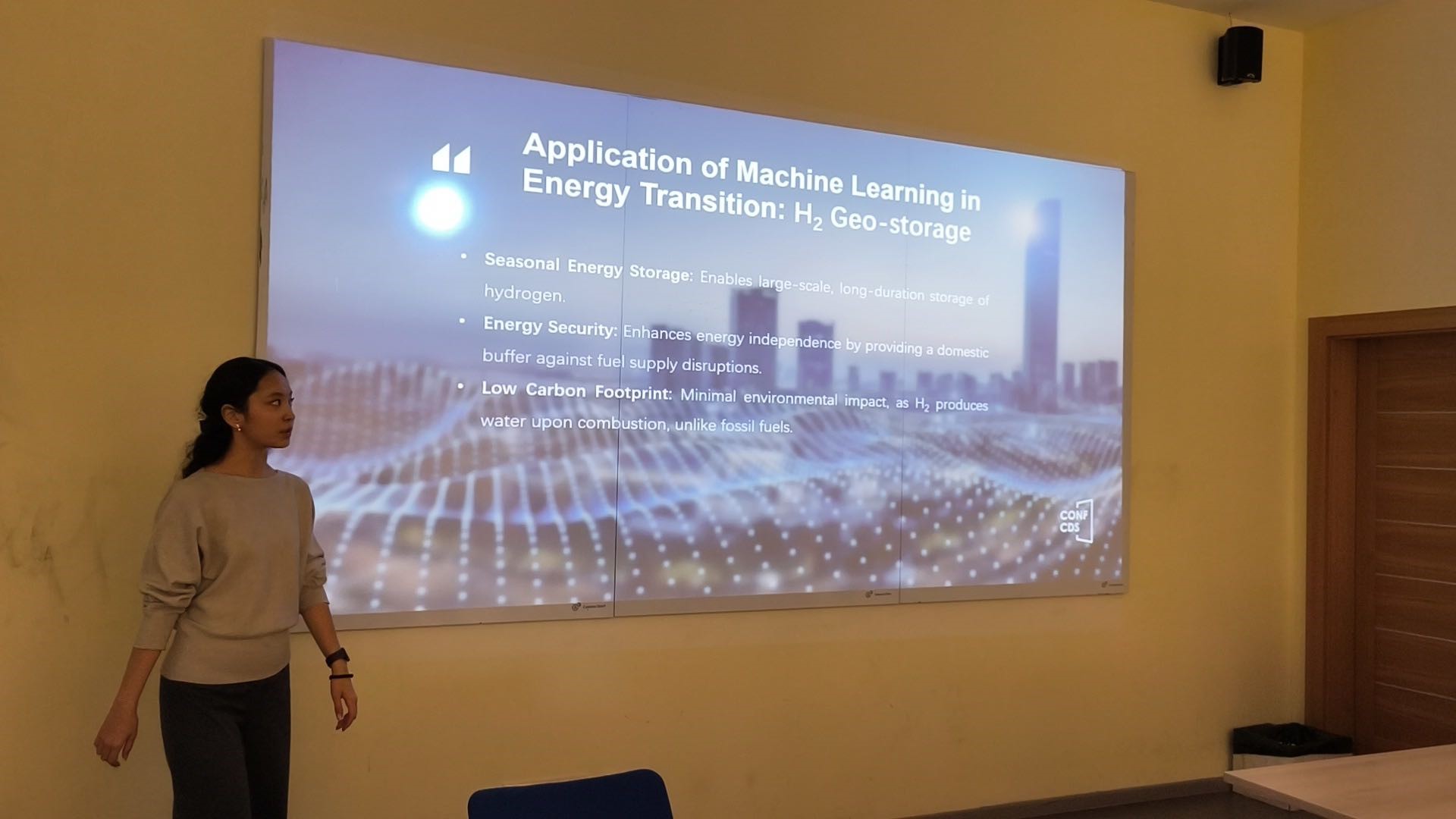
The symposium “Application of Machine Learning in Engineering” was held on August 19, 2025, at the School of Mining and Geosciences, Nazarbayev University. By providing data-driven solutions to complex problems in engineering, especially focusing on branches of petroleum engineering like exploration, drilling, production, and energy transition, machine learning (ML) is quickly revolutionizing the industry. ML focuses on algorithms that learn from data to gradually increase performance. It has established itself as an essential tool for improving safety, reducing costs, and enhancing operational efficiency due to its ability to process large datasets, uncover hidden patterns, and generate predictive insights. Applications of machine learning in petroleum engineering include predicting reservoir properties like porosity and permeability, optimizing drilling by predictive modeling of parameters like stress and penetration rate, and accelerating reservoir simulation and history matching. By forecasting critical characteristics like viscosity in H₂–cushion gas mixtures, which is crucial for assessing injectivity and storage capacity, machine learning (ML) supports hydrogen geological storage in the context of energy transition. For example, gradient boosting regression models have demonstrated great accuracy in viscosity prediction, saving time and money in comparison to laboratory testing. AI and ML have potential for future developments in real-time analytics, autonomous operations, and sustainability objectives. The oil and gas sector may become more innovative, resilient, and efficient by combining physical models with intelligent algorithms.
Beijing Computer Federation Blockchain and Digital Finance Specialized Committee
Symposium Chair: Prof. Wang Juan, Postdoctoral fellow at the University of Florida, and director of the Beijing Computer Federation
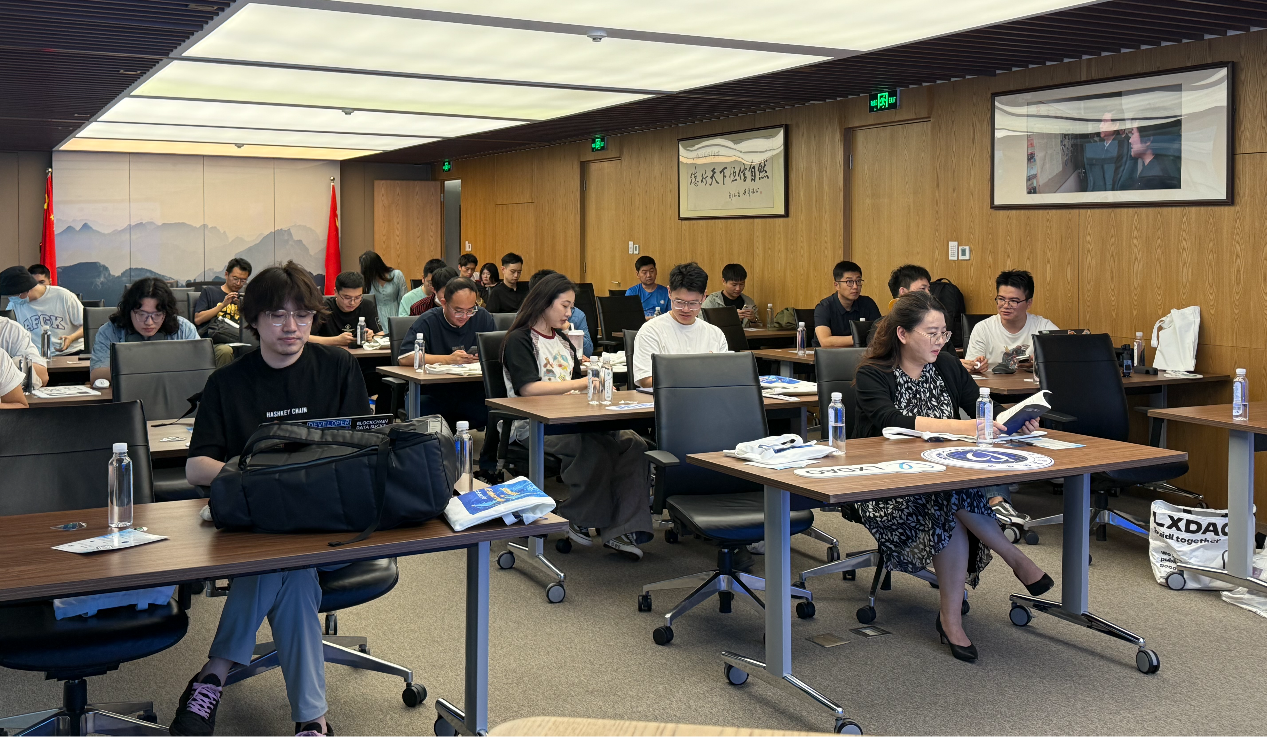
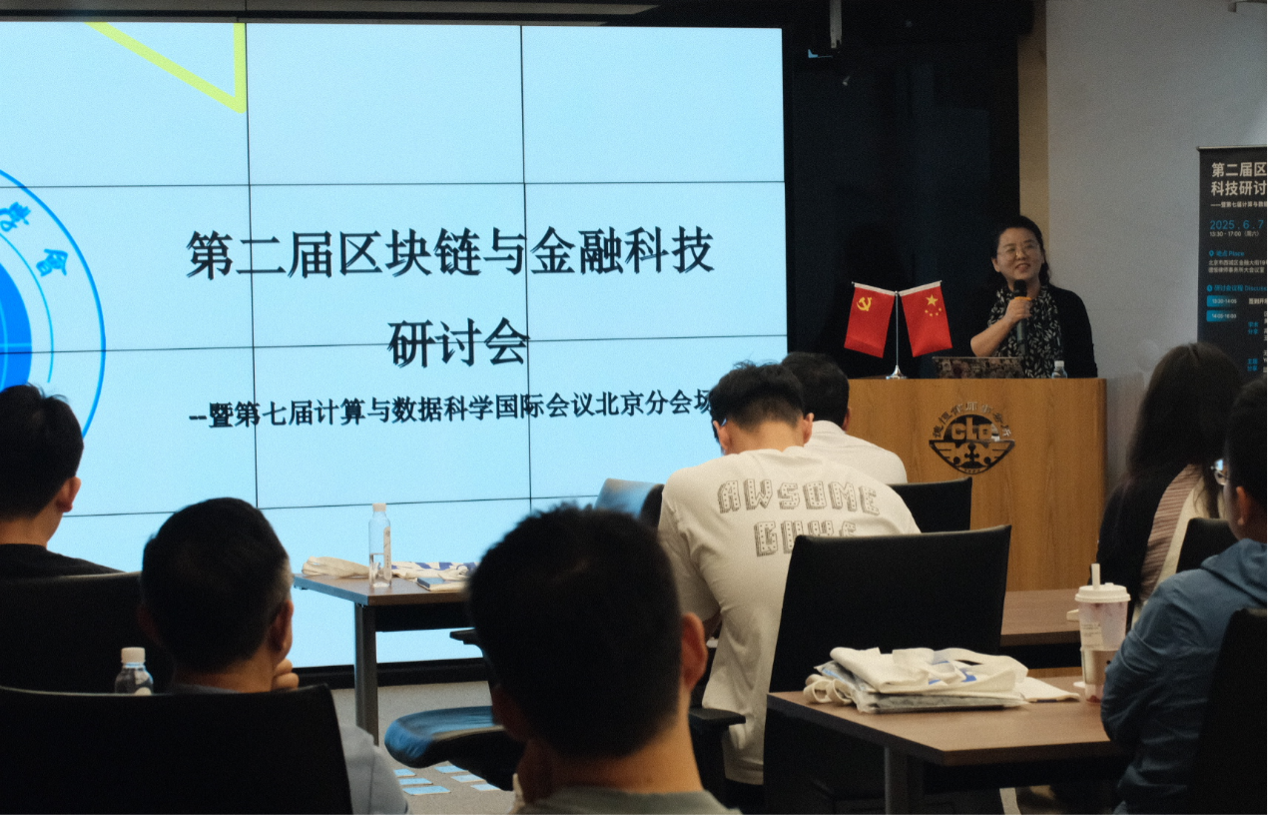
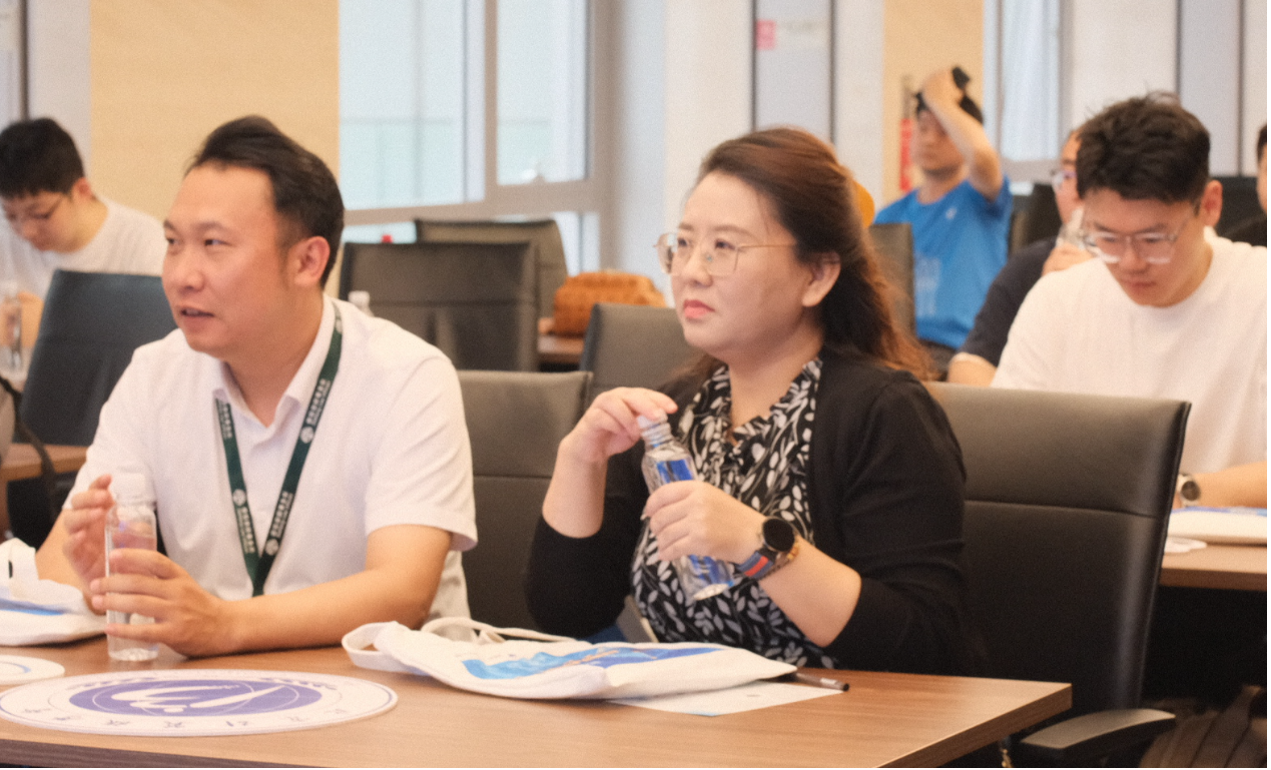
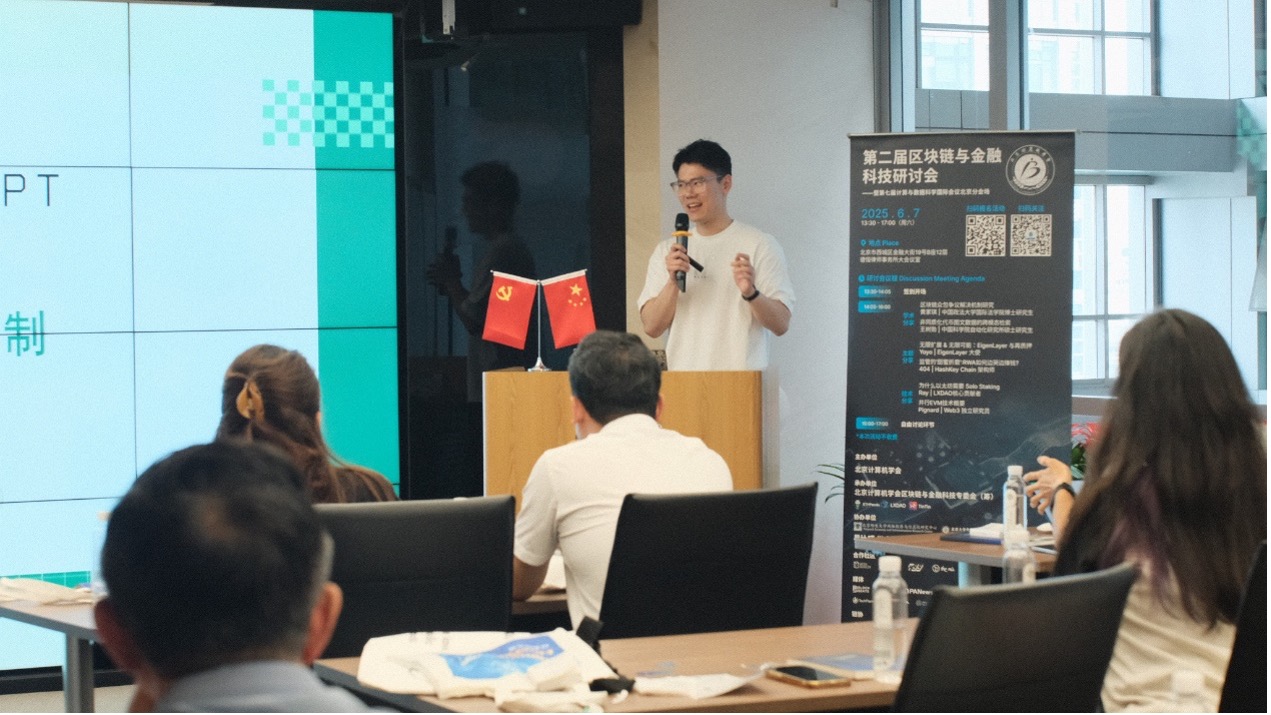
On June 7, 2025, the 2nd Workshop on Blockchain and Financial Technology — Beijing Symposium of the 7th International Conference on Computing and Data Science — was successfully convened.
This academic event was co-organized by the Beijing Computer Federation, with ETHPanda, LXDAO, and OurTinTinLand serving as the main organizers. It received additional support from Yidawi Academic Press, the Blockchain Association of Beijing University of Posts and Telecommunications, the Center for Network Emergency and Informatization Research at Peking University, and the Center for Market Economy Research at Peking University. The forum brought together experts and scholars from diverse fields including law, scientific research, software development, and infrastructure technology.
The symposium featured in-depth discussions on cutting-edge topics in blockchain technology. Jiaqi Huang presented a jurisprudential framework for resolving disputes arising from smart contracts. A system architect from HashKey Chain examined regulatory and compliance challenges related to real-world assets (RWA). An ambassador from EigenLayer introduced the modular security architecture of the restaking mechanism. Shuxun Wang, a graduate student at the Institute of Automation, Chinese Academy of Sciences, showcased AI applications for cross-modal retrieval of NFTs. A contributor from LXDAO discussed the significance of solo staking from the perspective of decentralization. Moreover, scalable solutions for parallel EVM (Ethereum Virtual Machine) architecture were also elaborated upon.
This symposium served as an important platform for advancing academic exchange and fostering deep integration among industry, academia, and research institutions. It contributed meaningfully to both theoretical innovation and practical application in the domains of blockchain and financial technology.
Online Session
The online session of the The 7th International Conference on Computing and Data Science (CONF-CDS 2025) was held on September 25, 2025. Dr. Marwan Omar from Illinois Institute of Technology, Dr. Elisavet Andrikopoulou from University of Portsmouth, Dr. Mian Umer Shafiq from UCSI University, Dr. Xinqing Xiao from China Agricultural University and Dr. Roman Bauer from University of Surrey have given keynote speeches on related topics of computing, machine learning and data science, etc.
Highlights
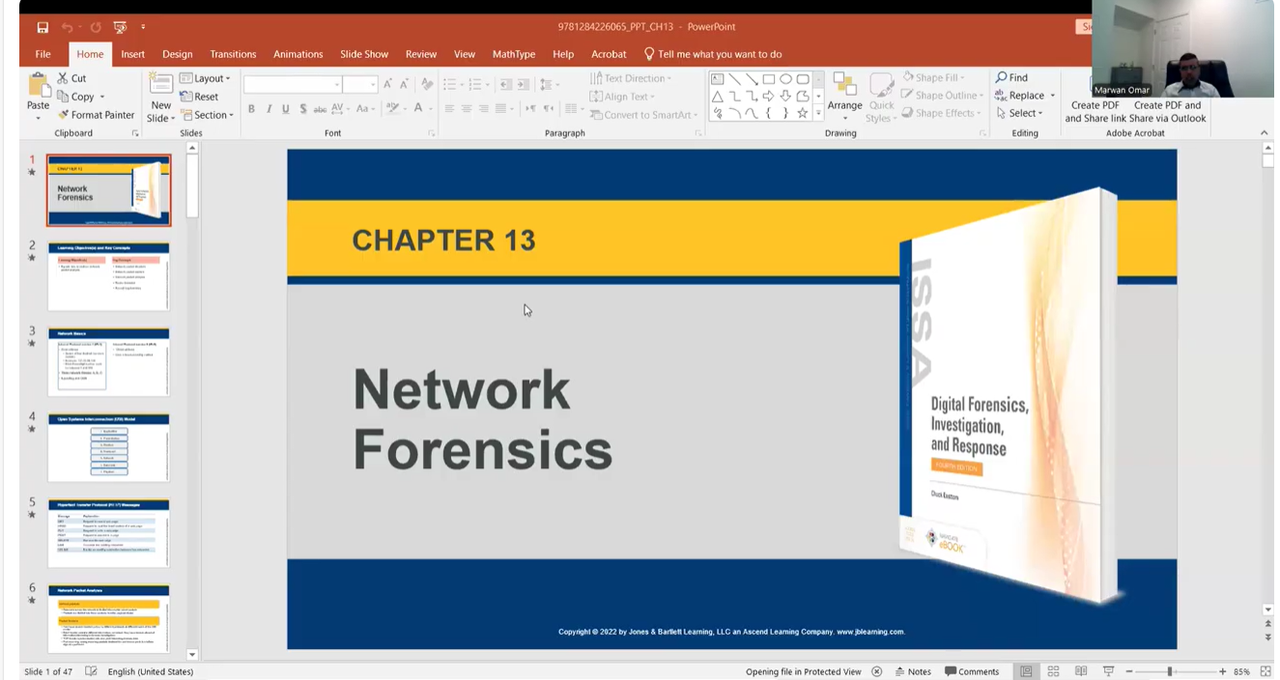

Title of Speech: Network Forensics
Presented by: Dr. Marwan Omar, Associate
Professor, Faculty of Information Technology and Management, Illinois Institute of
Technology
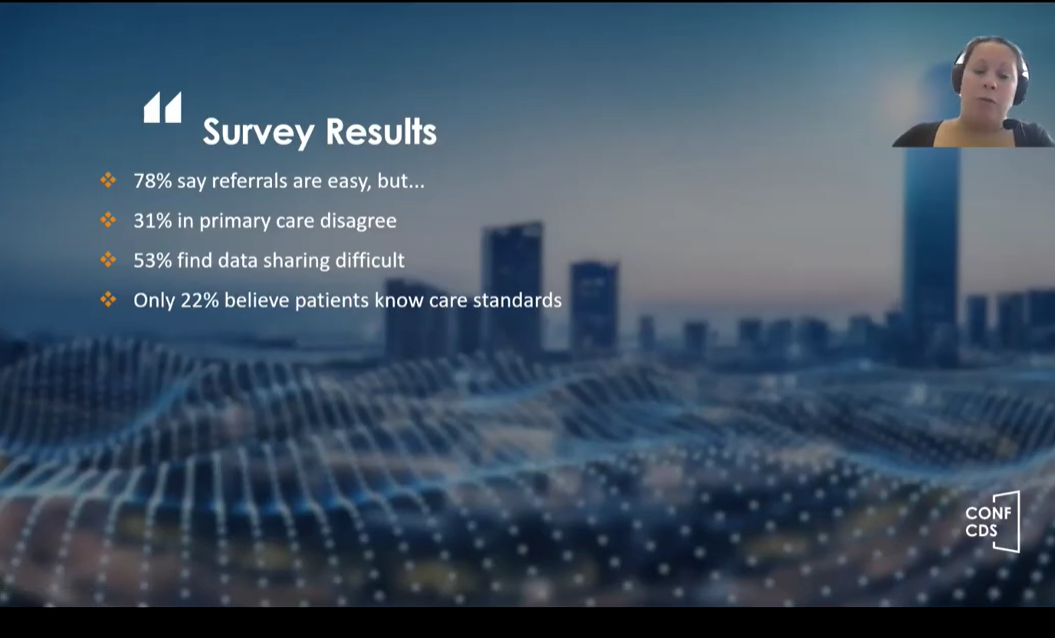
Title of Speech: Bridging Gaps in Diabetic Foot Ulcer Care: From Data to
Action
Presented by: Dr. Elisavet Andrikopoulou, Senior Lecturer, School of
Computing, University of Portsmouth
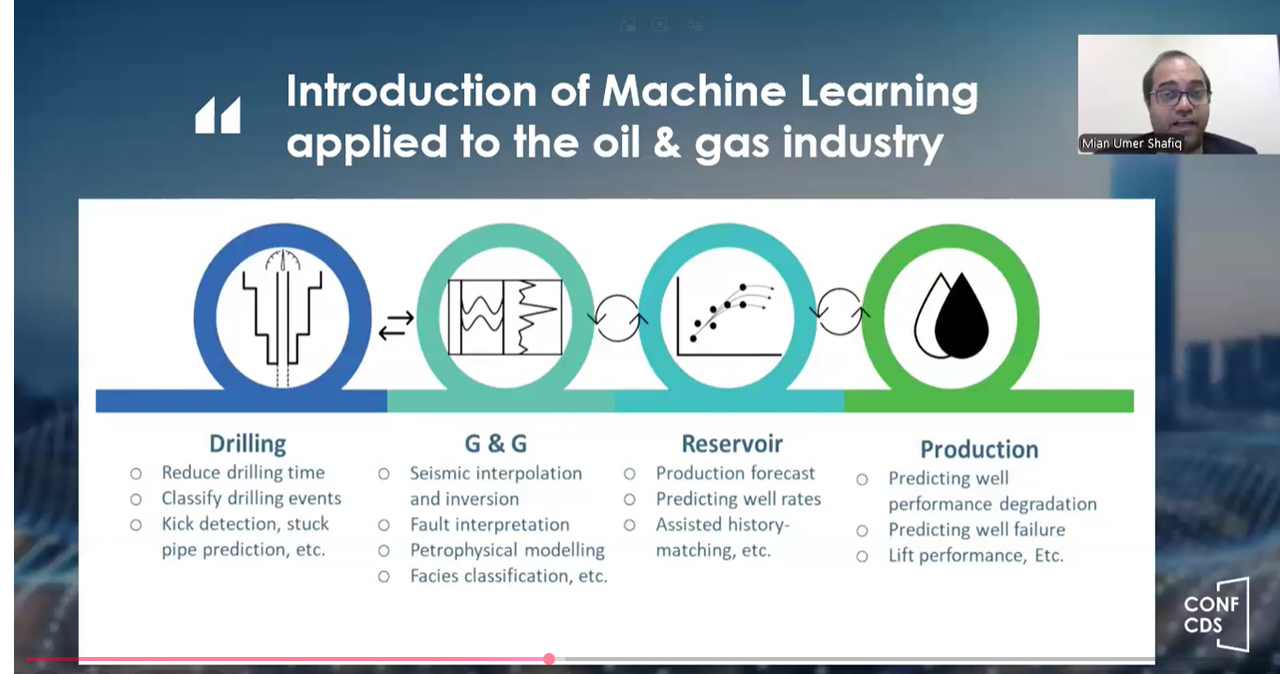
Title of Speech: Application of Machine Learning in Petroleum
Engineering
Presented by: r. Mian Umer Shafiq, Assistant Professor, Chemical and
Petroleum Engineering Department, UCSI University
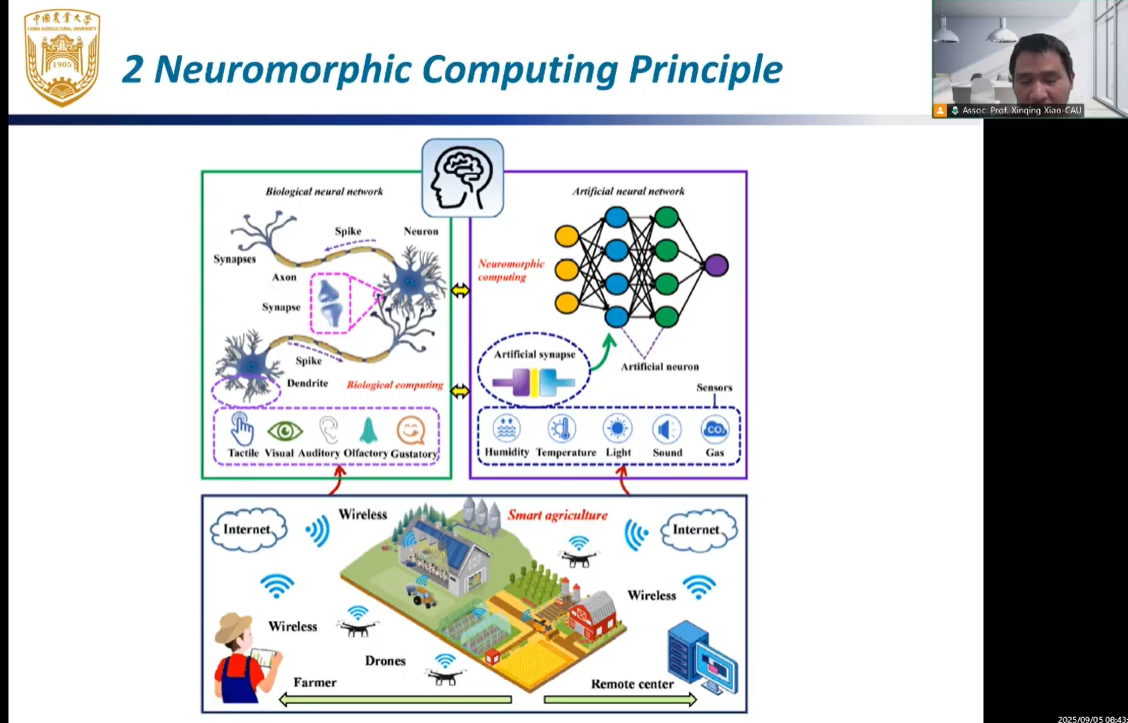
Title of Speech:Neuromorphic Computing for Smart Agriculture
Presented by:
Dr. Xinqing Xiao, Associate Professor, China Agricultural University Smart Sensing Group,
China Agricultural University
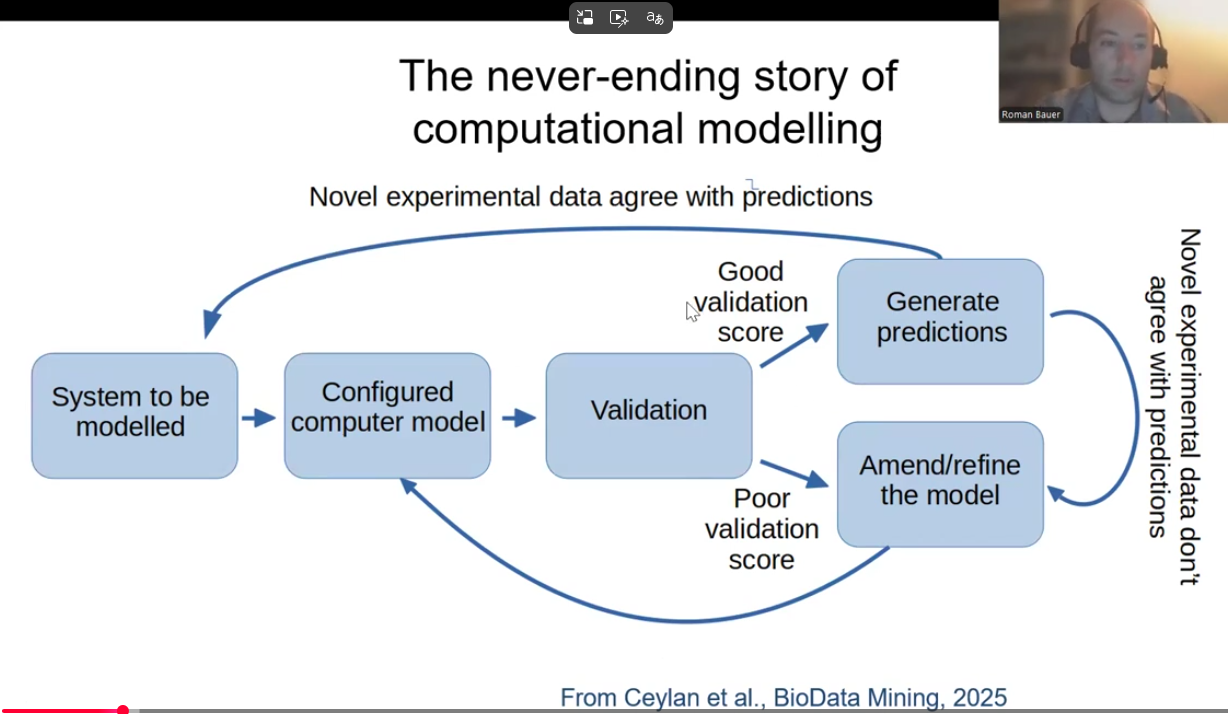

Title of Speech: How to Grow a Brain: Mechanistic Simulation of Neural Connectivity
Formation
Presented by: Dr. Roman Bauer, Lecturer, Department of Computer
Science, University of Surrey
Videos
You can find the Youtube Playlist of online session Here.
Publications
Conference proceedings
Accepted papers of CONF-CDS 2025 will be published in Applied and Computational Engineering (Print ISSN: 2755-2721), and will be submitted to EI Compendex, Conference Proceedings Citation Index (CPCI), Crossref, Portico, Inspec, Scopus, Google Scholar, and other databases for indexing.
Title: Applied and Computational Engineering (ACE)
Press: EWA Publishing, United Kingdom
ISSN: 2755-2721 2755-273X (electronic)